

- Medicines
- Personal Care
- Skin Cream
- Sunscreen
- Face Wash
- Skin and Body Soap
- Acne Care
- Body Lotions
- Moisturising Lotion
- Moisturising Cream
- Mosquito Repellent
- Moisturising Gel
- Body Wash
- Hair Oils
- Hair Shampoo
- Hair Conditioners
- Hair Supplements
- Hair Colour
- Hair Serum
- Hair Mask
- Hair Solutions
- Baby Diapers and Wipes
- Baby Lotion and Moisturising Cream
- Baby Bath Essentials
- Baby Skin Care
- Baby and Infant Food
- Baby Healthcare
- Women Multivitamins
- Ovulation Test Kit and Women Intimate Care
- Sanitary Pads
- Nutritional Drinks
- Condoms
- Lubricants
- Massage Gels
- Personal Body Massagers
- Men Performance Booster
- Sexual Health Supplements
- Massage Oils
- Ayurveda
- Tooth Paste
- Mouth Ulcer Gel
- Mouthwash
- Toothache and Gum Pain
- Tooth Brush
- Gargle Solution
- Orthopaedic Supports
- Adult Diapers
- Footwear
- Mobility and Support Accessories
- Urinary Support and Care
- Health Conditions
- Bone and Joint Care
- Digestive Care
- Eye Care
- Pain Relief
- Smoking Cessation
- Liver Care
- Stomach Care
- Cold and Cough
- Heart Care
- Kidney Care
- Piles, Fissures & Fistula
- Respiratory Care
- Mental Wellness
- Derma Care
- Pre and Probiotics
- Acidity
- Gas
- Constipation
- Loose Motion/Diarrhoea
- Digestive Fibres
- Digestive Enzymes
- Eye Lubricant Drops
- Lens Solution
- Safety Eye Wear
- Eye Cream
- Eye Vitamins and Supplements
- Eye Drops
- Eye Ointment and Gel
- Nicotine Patch
- Nicotine Gum
- Nicotine Lozenges
- Cough Syrups
- Chest Rubs and Balms
- Nasal Spray
- Lozenges
- Inhalant Capsules
- Cold and Cough Tablets
- Vitamins & Supplements
- Diabetes Care
- Healthcare Devices
- Homeopathic Medicine
- Health Guide
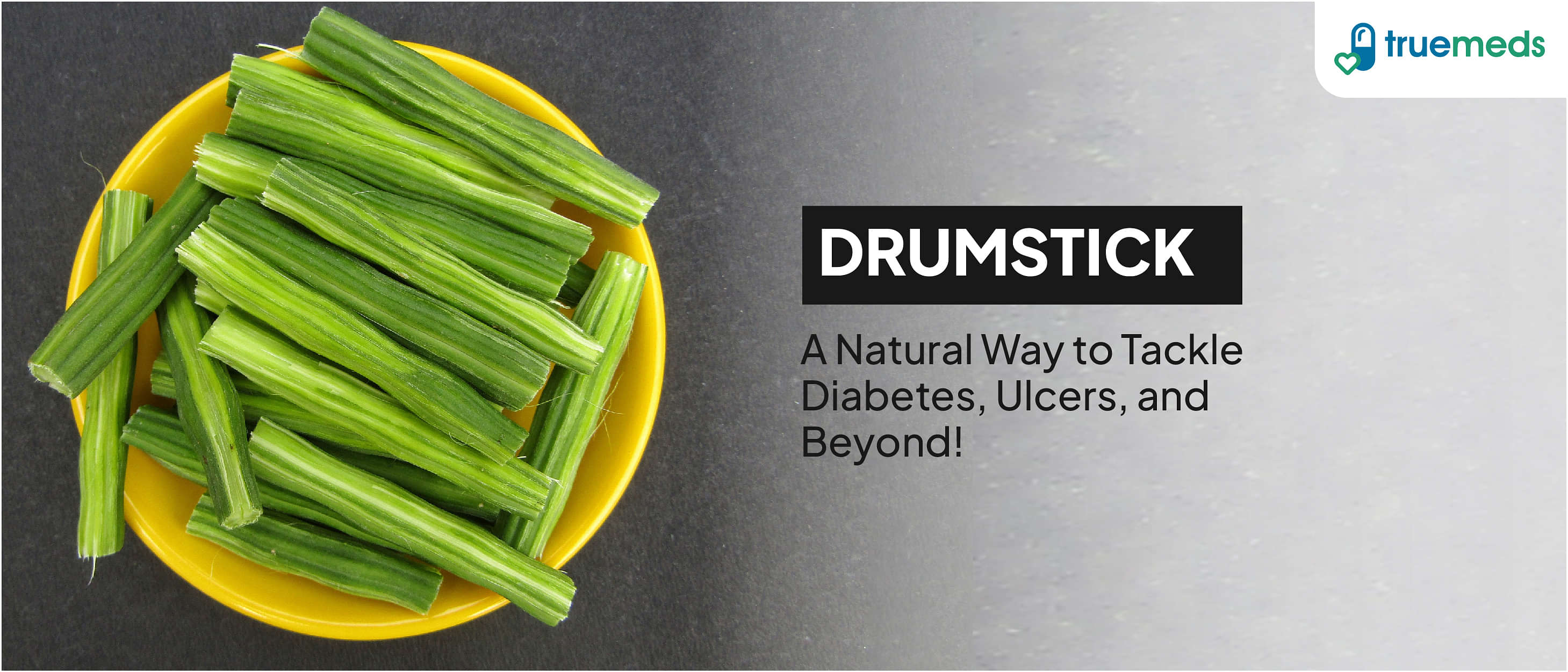
Top 8 Health Benefits of Drumsticks (Moringa) You Should Know
Last updated on : 11 Nov, 2025
Read time : 11 min
Drumsticks, also known as moringa, are a nutrient-packed vegetable commonly used in sambhar, curries, and other Indian dishes. They are rich in vitamins, minerals, antioxidants, and bioactive compounds, offering a range of health benefits. Almost every part of the drumstick tree, including leaves, seeds, pods, and bark, has been used in Ayurveda and traditional medicine for centuries [1] [2].
Drumsticks can support immunity, improve heart health, aid digestion, and help manage blood sugar, making them more than just a flavourful addition to meals. In this blog, we explore the scientifically backed health benefits of drumsticks and possible side effects.
Health Benefits and Medicinal Properties of Drumsticks (Moringa)
Drumsticks are rich in essential nutrients and have been used in traditional medicine for centuries. Scientific studies have validated several of their therapeutic properties, particularly from the leaves, pods, and seeds [2]. Below are the 8 benefits of drumsticks:
1. Supports Blood Sugar Control
Drumsticks are high in fibre, vitamin C, and bioactive plant compounds like quercetin and chlorogenic acid, which may help reduce blood sugar levels.
Animal studies and systematic reviews suggest that aqueous extracts of moringa leaves and pods can help lower blood glucose levels in both Type 1 and Type 2 diabetic models [3] [4].
However, human trials are still limited, so drumsticks (moringa) should not be considered a substitute for prescribed diabetes medications [4].
2. Protects Brain Health (Neuroprotective & Antidepressant)
Moringa leaf extracts have been found to modulate neurotransmitters like serotonin, dopamine, and norepinephrine in animal studies, suggesting potential benefits for mood regulation and cognitive support [5]. While further clinical research is needed, preliminary evidence supports its neuroprotective and antidepressant-like properties.
3. Improves Heart Health
Moringa contains beta-sitosterol, a plant sterol known to reduce cholesterol absorption [2]. In animal models, moringa extracts have been shown to lower serum cholesterol and triglyceride levels [6].
Additionally, its strong antioxidant and anti-inflammatory effects (from compounds like quercetin and chlorogenic acid) may help protect against heart disease [1].
4. Antibacterial and Antifungal Properties
Studies have demonstrated that moringa leaf and seed extracts are effective against pathogens such as Staphylococcus aureus, Bacillus subtilis, and Vibrio cholerae [7]. These antimicrobial properties support its traditional use for minor infections and wound care.
5. Boosts Immunity
Drumsticks are rich in vitamin C, iron, and powerful antioxidants that work together to strengthen the body’s natural immune defences and protect against infections [2].
6. Anti-Inflammatory and Antioxidant Effects
Compounds like quercetin and isothiocyanates in moringa help reduce inflammation in the body [2]. This may benefit people with arthritis, asthma, or inflammatory gut issues. Its strong antioxidant profile also helps combat oxidative stress, a major contributor to aging and chronic disease [8].
7. Gastrointestinal Support (Anti-ulcer)
Moringa extracts have demonstrated protective effects on the stomach lining in animal models of gastric ulcers, likely due to their anti-inflammatory properties [1].
8. Wound Healing & Skin Protection
Moringa seed oil and leaf extracts are used topically in traditional medicine for minor wounds and skin care. Preliminary studies show that the extracts can accelerate tissue repair and provide antibacterial protection, promoting faster healing [1] [7].
Nutritional Value of Drumstick per 100gms
Drumstick pods are a nutrient-dense powerhouse. The drumstick has been utilised to fight malnutrition, particularly in infants and nursing mothers [2] [9].
Drumsticks contain numerous uncommon forms of essential minerals and nutrients. Drumstick pods, leaves, flowers, barks, roots, and seeds also contain bioactive chemicals [1] [2].
|
Nutritional components |
Value/100 grams |
| Energy | 37 kcal |
| Protein | 2.1 g |
| Fat | 0.2 g |
| Carbohydrate | 8.53 g |
| Fibre | 3.2 g |
| Calcium | 30 mg |
| Iron | 0.36 mg |
| Magnesium | 45 mg |
| Phosphorus | 50 mg |
| Potassium | 461 mg |
| Sodium | 42 mg |
| Zinc | 0.45 mg |
| Copper | 0.084 mg |
| Manganese | 0.259 mg |
| Selenium | 0.7 µg |
| Vitamin C | 141 mg |
| Thiamine | 0.053 mg |
| Riboflavin | 0.074 mg |
| Vitamin B6 | 0.12 mg |
| Folate | 44 µg |
| Vitamin A | 4 µg |
Interactions With Other Drugs
Although very nutrient-dense, drumsticks may interact with certain medications, so it’s essential to consider the potential risks and consult an expert for guidance.
Here are specific possible interactions and safety measures:
Interaction with Diabetic Medications:
- Possible Interaction: Studies have demonstrated a reduction in blood glucose levels from drumstick leaves [3] [4]. This impact may intensify if used with prescribed diabetic drugs, which may result in hypoglycemia (a dangerously low blood sugar level).
- Precaution: If you are taking diabetic medication and consuming drumstick leaves, you must regularly monitor your blood glucose levels. Before mixing these, speak with your doctor so that you can, if needed, modify the dosage of your medications.
Interaction with Blood Pressure-Lowering Medications:
- Possible Interaction: Drumstick leaves can also lower blood pressure [2]. This can result in hypotension (unusually low blood pressure) when taken with blood pressure drugs, potentially causing dizziness or fainting.
- Precaution: Do not take drumstick leaves with blood pressure drugs unless your physician instructs you otherwise. Regular monitoring is essential to ensure blood pressure remains within a safe range.
Before incorporating drumstick leaves into your diet, consult a doctor, especially if you are taking any other medications. They will be knowledgeable about your health and able to offer advice that is specific to you based on your medical background and ongoing therapies.
Side Effects and Precautions
While consuming the leaves, pods, flowers, and seeds of the drumstick is generally considered safe in moderate culinary amounts, excessive consumption or use of specific parts requires caution.
- Toxicity of Root/Bark: Moringa roots or root extracts should not be consumed orally as they contain spirochin, a chemical that is known to be potentially poisonous and can interfere with nerve function [1] [2].
- Pregnancy and Uterine Effects: High doses of moringa root or bark may have uterine stimulant effects in animal studies. Pods and leaves are generally safe during pregnancy in moderate amounts, but pregnant women should always consult their doctor before consuming moringa supplements [2].
- Blood Pressure and Heart Rate: Consumption of large amounts may reduce blood pressure and slow the heart rate due to the presence of alkaloids [2].
- Thyroid Medication: It is not advisable to take drumsticks with thyroid medication, as moringa may have an impact on thyroid hormone levels [2].
- Blood Sugar: Excess consumption of drumsticks may interfere with blood sugar levels; hence, watch for any symptoms of hypoglycemia.
Rich in vitamins, minerals, and antioxidants, moringa (drumsticks) offers a variety of health benefits, including supporting immunity, heart health, digestion, and overall wellness. While research supports its potential, human studies are still limited, so it should not replace prescribed medicines.
Including drumsticks in meals or consuming them as capsules or moringa tea can be a natural way to enhance your diet. Consuming them in moderation as part of a balanced lifestyle allows you to enjoy their nutritional and medicinal benefits safely.
Frequently Asked Questions (FAQs)
Are drumsticks a superfood?
The drumstick tree is often referred to as a “magical tree” due to its numerous health benefits, including boosting the immune system, protecting against oxidative stress, strengthening bones, and promoting heart health. Drumstick is widely considered a superfood because it is full of essential nutrients and has anti-inflammatory and antioxidant properties [2].
Can I consume drumsticks during pregnancy?
Drumsticks are full of essential nutrients that pregnant women need, and moderate consumption in food is generally safe. However, moringa supplements or large doses should be avoided due to the potential for uterine stimulant effects from certain parts of the plant. Always consult your doctor before adding supplements to your meal plan [2].
Can drumsticks make my hair healthy and shiny?
Yes, drumsticks are beneficial for hair health. They are rich in vitamins and minerals that nourish the scalp, promote hair growth, and prevent dryness [2].
Are drumsticks good for controlling diabetes?
Drumsticks contain compounds that have been shown to reduce blood glucose levels in animal and some human studies, making them a supportive food for diabetes management [3, 4]. However, they must be used with caution alongside prescribed medication to avoid hypoglycemia.
Do drumsticks increase BP?
No, drumsticks generally do not increase blood pressure. Drumstick vegetable benefits include potentially lowering blood pressure due to its natural compounds that promote vasodilation and relaxation of blood vessels [2].
Do drumstick leaves increase haemoglobin?
Yes, drumstick leaves (sahjan leaves) can increase haemoglobin levels due to their high iron content and the presence of vitamin C, which enhances iron absorption. A recent study found that daily supplementation with moringa leaf powder improved haemoglobin levels in anaemic adolescent girls over a 3-month period [10].
How much moringa is safe to take daily?
For most people, 2 to 4 grams of moringa powder or 1 to 2 tablespoons of fresh leaves per day is considered safe. It is essential to consult a doctor for personalized advice, especially if you have any medical conditions or are taking medications.
References
[1] Zarina, N., Wani, A. W., Rawat, M., Kaur, H., Das, S., Kaur, T., Akram, N., Faisal, Z., Jan, S. S., Oyshe, N. N., Khan, M. R., & Shah, Y. A. (2024). Medicinal utilization and nutritional properties of drumstick (Moringa oleifera)—A comprehensive review. Food Science & Nutrition, 12(7), 4546–4568. https://doi.org/10.1002/fsn3.4139
[2] Klimek-Szczykutowicz, M., Gaweł-Bęben, K., Rutka, A., Blicharska, E., Tatarczak-Michalewska, M., Kulik-Siarek, K., Kukula-Koch, W., Malinowska, M. A., & Szopa, A. (2024). Moringa oleifera (drumstick tree)—nutraceutical, cosmetological and medicinal importance: a review. Frontiers in Pharmacology, 15. https://doi.org/10.3389/fphar.2024.1288382
[3] Vargas-Sánchez, K., Garay-Jaramillo, E., & González-Reyes, R. E. (2019). Effects of Moringa oleifera on Glycaemia and Insulin Levels: A Review of Animal and Human Studies. Nutrients, 11(12), 2907. https://doi.org/10.3390/nu11122907
[4] Kashyap, P., Kumar, S., Riar, C. S., Jindal, N., Baniwal, P., Guiné, R. P. F., Correia, P. M. R., Mehra, R., & Kumar, H. (2022). Recent Advances in Drumstick (Moringa oleifera) Leaves Bioactive Compounds: Composition, Health Benefits, Bioaccessibility, and Dietary Applications. Antioxidants, 11(2), 402. https://doi.org/10.3390/antiox11020402
[5] Srivastava, G., & Deepak Ganjewala. (2024). An update on the emerging neuroprotective potential of Moringa oleifera and its prospects in complimentary neurotherapy. Phytomedicine Plus, 100532. https://doi.org/10.1016/j.phyplu.2024.100532
[6] Fejér, J., Kron, I., Pellizzeri, V., Pľuchtová, M., Eliašová, A., Campone, L., Gervasi, T., Bartolomeo, G., Cicero, N., Babejová, A., Konečná, M., Sedlák, V., Poráčová, J., & Gruľová, D. (2019). First Report on Evaluation of Basic Nutritional and Antioxidant Properties of Moringa Oleifera Lam. from Caribbean Island of Saint Lucia. Plants, 8(12), 537. https://doi.org/10.3390/plants8120537
[7] Elgamily, H., Moussa, A., Elboraey, A., EL-Sayed, H., Al-Moghazy, M., & Abdalla, A. (2016). Microbiological Assessment of Moringa Oleifera Extracts and Its Incorporation in Novel Dental Remedies against Some Oral Pathogens. Open Access Macedonian Journal of Medical Sciences, 4(4), 585–590. https://doi.org/10.3889/oamjms.2016.132
[8] Abd El-Hack, M., Alagawany, M., Elrys, A., Desoky, E.-S., Tolba, H., Elnahal, A., Elnesr, S., & Swelum, A. (2018). Effect of Forage Moringa oleifera L. (moringa) on Animal Health and Nutrition and Its Beneficial Applications in Soil, Plants and Water Purification. Agriculture, 8(9), 145. https://doi.org/10.3390/agriculture8090145
[9] Jahnavi Dwarampudi, Shetty, P., & Shetty, G. B. (2024). Effect of Moringa Leaf Powder Intake on Complete Blood Count among female Hostellers with iron deficiency anaemia. Indian Journal of Preventive & Social Medicine, 55(1), 27–34. https://ijpsm.co.in/index.php/ijpsm/article/view/117
[10] Fejér, J., Kron, I., Pellizzeri, V., Pľuchtová, M., Eliašová, A., Campone, L., Gervasi, T., Bartolomeo, G., Cicero, N., Babejová, A., Konečná, M., Sedlák, V., Poráčová, J., & Gruľová, D. (2019). First Report on Evaluation of Basic Nutritional and Antioxidant Properties of Moringa Oleifera Lam. from Caribbean Island of Saint Lucia. Plants, 8(12), 537. https://doi.org/10.3390/plants8120537













Disclaimer
Our healthcare experts have carefully reviewed and compiled the information presented here to ensure accuracy and trustworthiness. It is important to note that this information serves as a general overview of the topic and is for informational purposes only. It is not intended to diagnose, prevent, or cure any health problem. This page does not establish a doctor-patient relationship, nor does it replace the advice or consultation of a registered medical practitioner. We recommend seeking guidance from your registered medical practitioner for any questions or concerns regarding your medical condition.
Popular Articles


Recommended Articles


Recent Articles








Company
About UsHealth ArticleHealth StoriesDiseases & Health ConditionsAyurvedaAll MedicinesAll BrandsNeed HelpFAQSecuritySubscribe
Registered Office Address
Grievance Officer
Download Truemeds


Contact Us
Our customer representative team is available 7 days a week from 9 am - 9 pm.
v4.8.1

2025 - Truemeds | All rights reserved. Our content is for informational purposes only. See additional information.
Our Payment Partners