

Curcumin
Uses of Curcumin
Curcumin is the active compound found in turmeric, used for its antioxidant and anti-inflammatory properties.
It is commonly used for:
• Joint discomfort: Traditionally used to help ease mild joint pain and stiffness.
• General inflammation: Used as a supplement to help support the body's natural anti-inflammatory response.
• Antioxidant support: Helps protect body cells from damage caused by free radicals.
• Digestive health: Traditionally used to support healthy digestion.
• Skin health: Used in some topical preparations to support skin healing and appearance.
Side effects of Curcumin
Nausea
Diarrhoea
Headache
Yellow stool
How Curcumin works
Curcumin is thought to work mainly through its antioxidant and anti-inflammatory properties.
It helps neutralise free radicals, unstable molecules that can damage cells, and is believed to reduce the activity of certain chemical pathways in the body that drive inflammation.
By modulating these inflammatory pathways, curcumin may help ease mild joint discomfort and support overall cellular health, although its absorption from the gut is naturally low and effects can vary between individuals.
Certified content
Written By

Doctor of Medicine
Reviewed By

BAMS, FMC, MD Resident
Expert Advice
Dosage Forms Available
Curcumin is available in various forms for different uses. It can be taken orally as capsules and tablets. For topical applications, it is available in the form of ointments, soaps, and cosmetics.
Age and Dose Restrictions
This medicine is appropriate for adults and children aged 12 years and above.
Contraindications
Curcumin use is contraindicated in individuals with known allergies to turmeric or curcumin.
Patients with gallstones or bile duct obstructions should avoid taking Curcumin.
Other Medications to Avoid
Curcumin may interact with anticoagulants/antiplatelets (such as warfarin, aspirin), chemotherapeutic agents (like cyclophosphamide), and nonsteroidal anti-inflammatory drugs (NSAIDs) (such as ibuprofen). These interactions could increase the risk of bleeding, affect medicine metabolism, or alter the efficacy of the medications.
Overdose and Missed Dose
Overdosing on Curcumin could lead to upset stomach or diarrhoea. If you notice any unusual symptoms following an excessive intake of Curcumin, consult your doctor immediately.
If you miss a dose, take it as soon as you remember. However, if it is close to the time for your next dose, skip the missed dose and continue with your regular schedule.
Management of Side Effects
Most side effects are temporary and generally harmless, resolving when discontinuing this medicine. However, if you experience any severe side effects or worsening of any of the symptoms, please consult your doctor.
Drinking plenty of water may help manage nausea or diarrhoea.
If you experience yellow stools after taking this medicine, staying hydrated and eating high-fibre foods may help.
Use in Driving and Operating Machinery
Curcumin does not typically interfere with driving abilities or operating heavy machinery. However, if you experience dizziness or fatigue after taking Curcumin, refrain from such activities.
Use in Pregnancy and Lactation
Pregnant and breastfeeding women should consult their doctor before using Curcumin.
Caution in Other Conditions
Patients with iron deficiency should exercise caution when taking Curcumin as it can bind to iron and may lead to lower blood iron levels.
People scheduled for surgery should stop using Curcumin at least 2 weeks prior, as it may slow blood clotting and cause extra bleeding during and after surgery.
Special Dietary and Lifestyle Recommendations
Incorporate a balanced diet rich in fruits, vegetables, lean proteins, and whole grains to improve your overall health.
Regular physical activity can complement the anti-inflammatory benefits of Curcumin.
Frequently asked questions
Is Curcumin a steroid?
No, Curcumin is not a steroid. It is a polyphenolic compound found in turmeric with extensive therapeutic properties.
Does the Curcumin have any effect on sleep?
Curcumin is not associated with any direct effects on sleep. It is mainly known for its anti-inflammatory and antioxidant properties, with no established impact on sleep patterns.
Will Curcumin affect fertility?
Curcumin is not associated with effects on fertility. It is mainly used for its anti-inflammatory and antioxidant benefits and has no known impact on reproductive health.
Is it safe to take Curcumin daily?
Generally, Curcumin is considered safe and well-tolerated, even at high doses. However, prolonged daily use should be under the supervision of a doctor.
How much time does Curcumin take to work?
The time required for Curcumin to work can depend on several factors including the condition being treated, the formulation used, and individual body response. Always consult your doctor for precise information.
What is the best time to take Curcumin?
The best time to take Curcumin can depend on the condition being treated and the specific instructions given by your doctor. It can generally be taken with or without meals.
Is there any risk of dependency when taking Curcumin?
No evidence suggests dependency or withdrawal symptoms associated with the use of Curcumin.
Curcumin in other salts
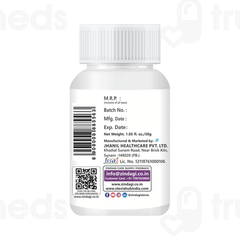
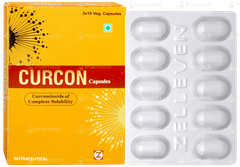
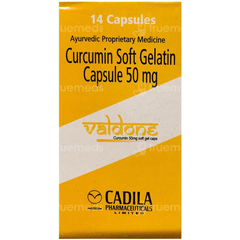
List of medicines for Curcumin


Company
About UsHealth ArticleHealth StoriesHealth LibraryDiseases & Health ConditionsAyurvedaUnderstanding Generic MedicinesAll MedicinesAll BrandsNeed HelpFAQSecuritySavings CalculatorAdvertise with UsSubscribe
Registered Office Address
Grievance Officer
Download Truemeds


Contact Us
Our customer representative team is available 7 days a week from 9 am - 9 pm.
v4.28.14

2026 - Truemeds | All rights reserved. Our content is for informational purposes only. See additional information.
Our Payment Partners