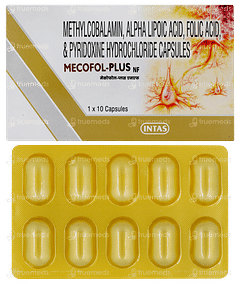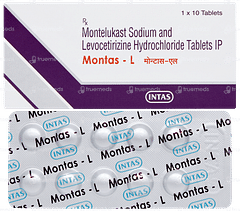
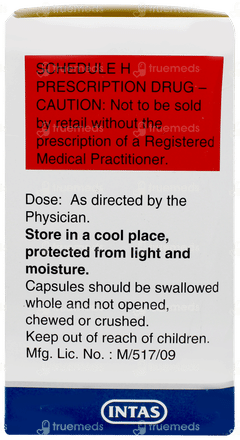
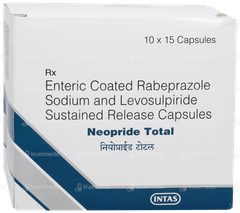
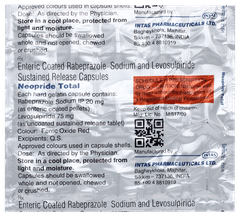

 Composition
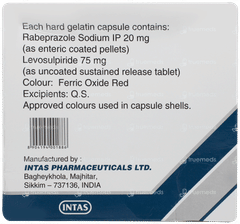
Neopride Total Capsule is a prescription medicine used for gastro-oesophageal reflux and selected dyspepsia symptoms. Reflux occurs when stomach contents move back into the oesophagus, causing heartburn or regurgitation. Some patients also experience fullness or bloating related to altered stomach motility. This combination targets both acid production and gastrointestinal movement. It is not appropriate for every cause of abdominal pain. Persistent swallowing difficulty, vomiting blood or unexplained weight loss needs investigation.
Take Neopride Total Capsule as prescribed by your doctor, following the timing instructions on its label. It is generally taken before food, as the doctor directs. Swallow the capsule whole with water; do not crush or chew modified-release contents. Avoid changing the treatment duration without medical advice. Eating smaller meals and avoiding lying down immediately after eating may reduce reflux symptoms. Limit foods or drinks that reliably trigger your symptoms.
Possible side effects of Neopride Total Capsule include nausea, diarrhoea, dizziness, headache, drowsiness and abdominal discomfort. Levosulpiride may increase prolactin levels, causing breast tenderness, milk discharge or menstrual changes. Some people develop tremors, stiffness or other involuntary movements. Tell your doctor if reactions persist or interfere with daily activities. Seek urgent care for fainting, severe palpitations, marked muscle stiffness or unusual movements. Persistent vomiting or gastrointestinal bleeding requires prompt assessment.
Before taking Neopride Total Capsule, tell your doctor about epilepsy, Parkinson's disease, liver or kidney problems and heart rhythm disorders. Mention any history of prolactin-dependent tumours or unexplained gastrointestinal bleeding. Tell the doctor about medicines that prolong the QT interval or cause movement-related adverse effects. Discuss pregnancy and breastfeeding, because levosulpiride may be unsuitable. Avoid alcohol if it worsens dizziness or drowsiness. Do not drive when affected by reduced alertness.