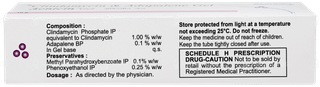
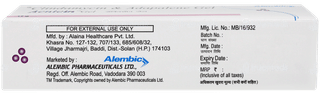
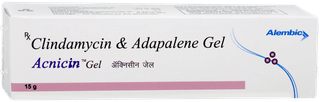
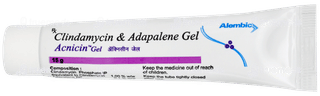

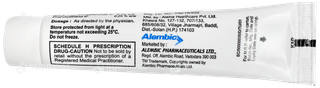
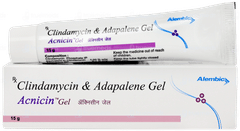
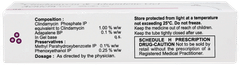
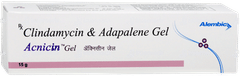
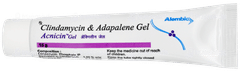

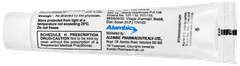

 Composition
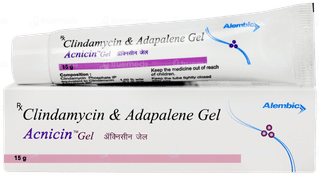
Acnicin Gel is used to treat acne vulgaris, including both inflamed spots and blackheads or whiteheads. It contains adapalene, a retinoid that unblocks pores and normalises skin cell renewal, and clindamycin, an antibiotic that reduces acne-causing bacteria. It is meant for people aged 12 years and above and is for use on the skin only. Your doctor will decide if it suits you.
Wash the area with a mild cleanser and pat it dry. Apply a thin layer of Acnicin Gel to the whole affected area, usually in the evening, as your doctor advises. Avoid your eyes, lips, mouth, nostrils and broken skin. Follow your doctor's prescribed dose and duration. Use sun protection and avoid sunlamps, as it can make skin more sensitive to sunlight. Do not apply extra for a missed dose.
Common side effects of Acnicin Gel include dry skin, peeling, redness, burning, itching and skin irritation. Mild effects may settle during treatment. Tell your doctor if they continue or get worse. Tell your doctor if skin irritation is severe, or if you get severe or bloody loose motions. Report any new or worsening symptoms to your doctor. Never increase or reduce your dose without medical advice.
Before using Acnicin Gel, tell your doctor about any allergy to adapalene or clindamycin, or any history of bowel inflammation (colitis). Tell your doctor if you have eczema or sunburnt skin. Mention all medicines, supplements and herbal products you take. Speak to your doctor if you are pregnant, planning pregnancy or breastfeeding. Keep it out of reach of children. Tell your doctor if you are allergic to any medicine.