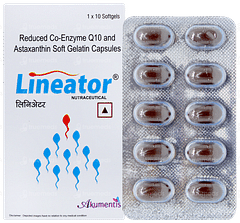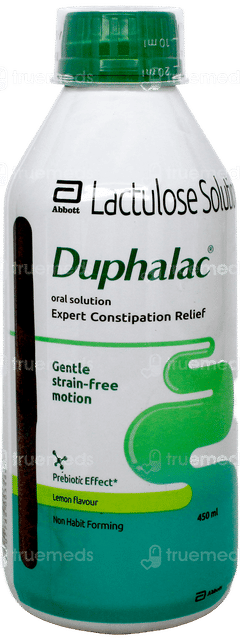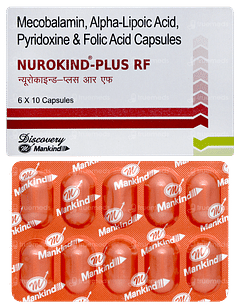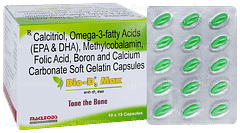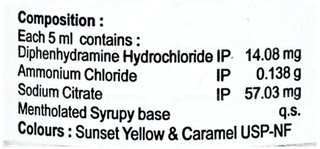


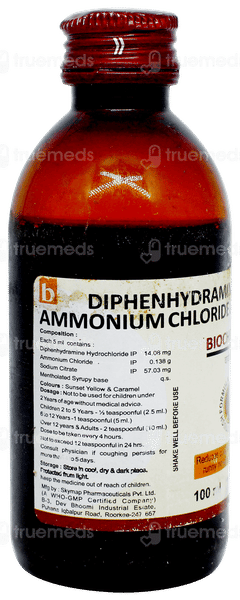
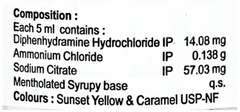


 Composition
Biochemdryl Syrup is a combination cough preparation used when its ingredients suit the patient's symptoms. Coughing may accompany a viral respiratory infection, airway irritation or excess mucus. Diphenhydramine can reduce a troublesome cough and certain allergy-related symptoms. Expectorant ingredients are intended to assist mucus clearance. This syrup provides symptomatic cough relief when prescribed. Medical review is needed for worsening symptoms.
Take Biochemdryl Syrup according to your doctor's instructions. Measure each dose with a measuring cup rather than a household spoon. Follow the product label for any shaking or storage instructions. Do not take additional cough or cold medicines containing diphenhydramine without medical advice. Avoid exceeding the prescribed amount. Keep the bottle away from children. Drink sufficient fluids if advised, especially when respiratory secretions are thick.
Common side effects of Biochemdryl Syrup include drowsiness, dizziness, dry mouth, blurred vision, constipation and nausea. Some people experience stomach discomfort or difficulty urinating. Children may occasionally become unusually restless or agitated instead of sleepy. Tell your doctor if these effects persist or interfere with daily activities. Seek urgent medical attention for breathing difficulty, severe confusion, fainting or seizures. Excessive doses of diphenhydramine can be dangerous.
Before taking Biochemdryl Syrup, tell your doctor about glaucoma, enlarged prostate, urinary problems, asthma or chronic breathing disorders. Mention liver disease and medicines that cause drowsiness, including sleeping tablets and opioid painkillers. Do not combine it with alcohol. Older adults may be more susceptible to confusion and falls. Paediatric use requires age-appropriate medical assessment. Discuss pregnancy and breastfeeding with your doctor. Seek examination for fever, breathlessness, blood-stained sputum or a persistent cough.