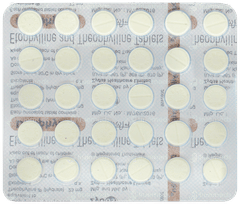
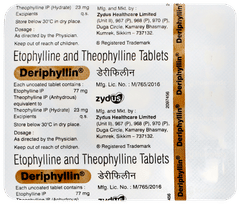

 Composition
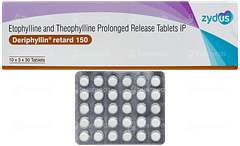
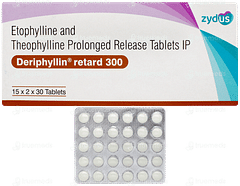
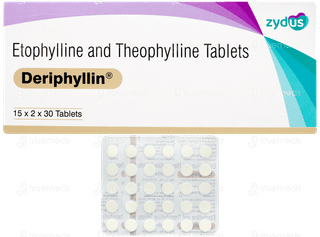
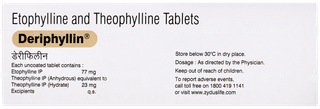
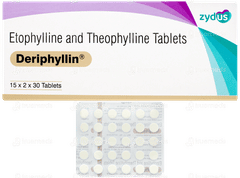
Deriphyllin Tablet is used for selected patients with chronic respiratory conditions involving airflow obstruction. In asthma and COPD, narrowing of the airways can cause wheezing, coughing and difficulty breathing. The bronchodilator components help relax airway muscles and improve airflow. This medicine may be used alongside other prescribed respiratory treatments. It does not replace inhaled corticosteroids for asthma control or a rescue inhaler during sudden breathing difficulty. Your doctor will assess whether methylxanthine treatment is appropriate.
Take Deriphyllin Tablet exactly as prescribed by your doctor. Swallow the tablet with water and follow the recommended food instructions. Do not change the dose independently. Continue using prescribed inhalers unless your doctor advises otherwise. Avoid excessive caffeine, which may increase restlessness, palpitations and other side effects. Changes in smoking habits can affect theophylline levels, so inform your doctor if you stop or start smoking. Attend follow-up appointments and any recommended blood tests.
Possible side effects of Deriphyllin Tablet include nausea, vomiting, headache, abdominal discomfort, tremor and difficulty sleeping. Some patients may experience a faster heartbeat or palpitations. Excessive theophylline exposure can cause severe vomiting, dangerous heart rhythm disturbances and seizures. Seek urgent medical attention for persistent vomiting, marked agitation, an irregular heartbeat or seizures. These symptoms may indicate serious toxicity. Do not take additional tablets to compensate for a missed dose without medical advice.
Before taking Deriphyllin Tablet, tell your doctor about heart rhythm disorders, coronary artery disease, liver impairment, epilepsy or peptic ulcers. Mention thyroid disorders and other respiratory medicines. Several antibiotics, including certain macrolides and fluoroquinolones, may affect theophylline levels. Report all prescribed and non-prescribed medicines. Discuss pregnancy and breastfeeding before treatment. Your doctor may monitor theophylline levels when clinically indicated, particularly if symptoms, interacting medicines or smoking habits change.