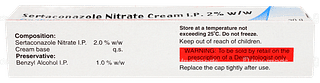
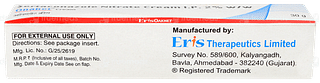
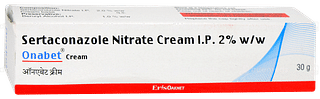
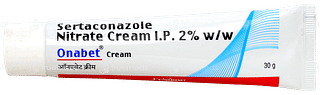

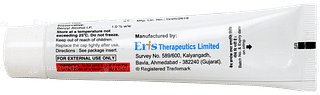
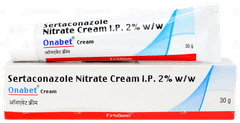
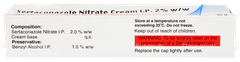
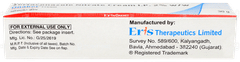
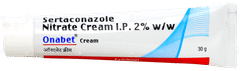


 Composition
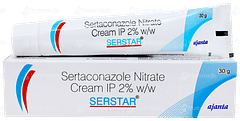
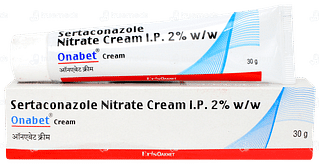
Onabet 2% Cream may be prescribed for fungal infections affecting the feet, groin or other areas of the skin. These infections can cause itchy, red or scaly patches and may spread through direct contact or contaminated personal items. Sertaconazole acts locally against susceptible fungi. However, not every itchy rash is caused by a fungal infection, and treatment may be ineffective if the diagnosis is incorrect. Extensive, recurrent or treatment-resistant infections may require further examination and a different treatment approach.
Apply Onabet 2% Cream exactly as prescribed by your doctor. Gently wash and dry the affected skin before spreading a thin layer over the affected area and nearby surrounding skin. Wash your hands afterwards unless they are being treated. Avoid contact with the eyes, mouth and other mucous membranes. Do not use the cream inside the vagina. Complete the prescribed treatment duration even if itching or redness improves earlier. Keep the affected area clean and dry, change damp clothing promptly and avoid sharing towels.
Possible side effects of Onabet 2% Cream include burning, stinging, itching, redness and dryness at the application site. Some patients may develop skin tenderness or contact dermatitis. These reactions are generally localised and temporary. Contact your doctor if irritation becomes severe, the rash spreads or symptoms worsen during treatment. Stop using the cream and seek medical advice if an allergic skin reaction develops. Seek urgent medical attention for facial swelling, breathing difficulty or other signs of a serious allergic reaction.
Before using Onabet 2% Cream, tell your doctor about allergies to sertaconazole or related imidazole antifungal medicines. Mention other topical treatments being used on the affected area, particularly corticosteroid creams. Discuss pregnancy and breastfeeding before treatment. Avoid applying the cream to the breasts before feeding. Use in children should follow age-appropriate medical advice. If the infection persists or repeatedly returns, your doctor may recommend testing to confirm the organism and identify an appropriate treatment.