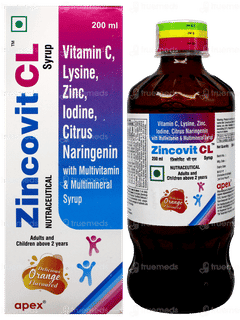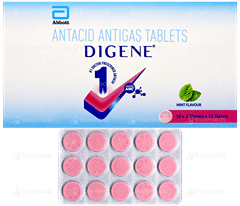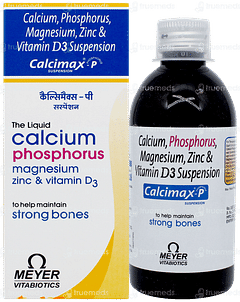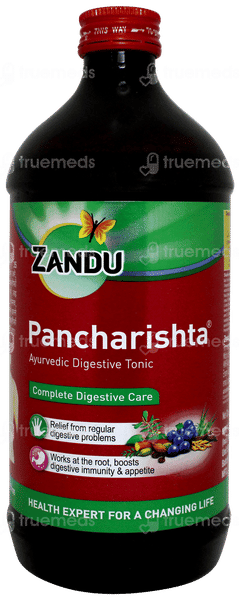
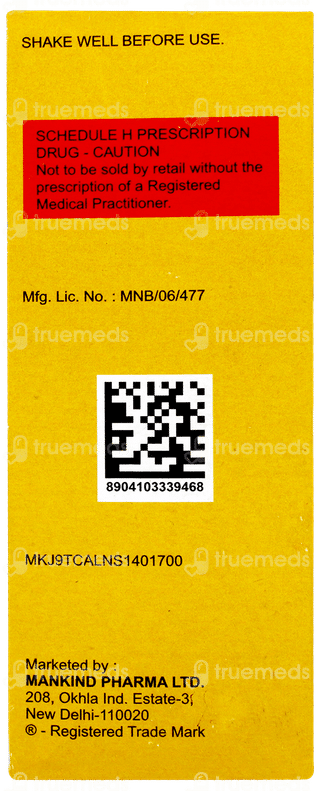
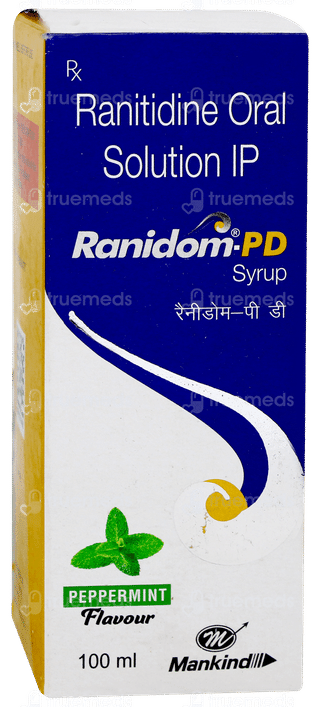
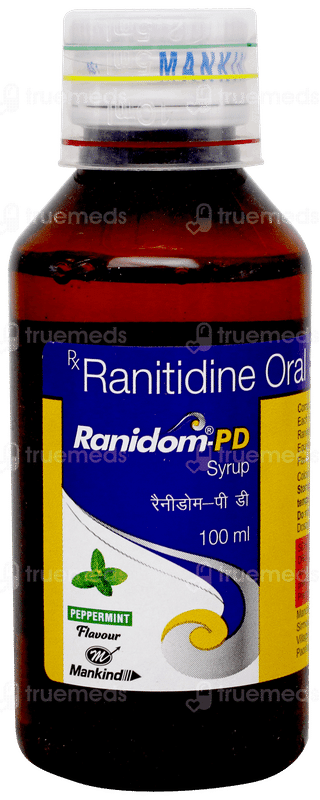
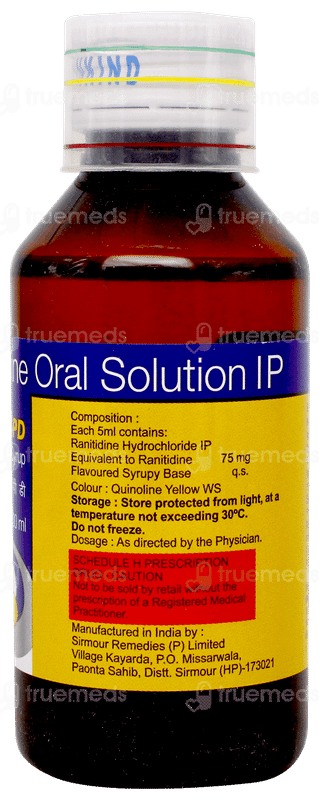
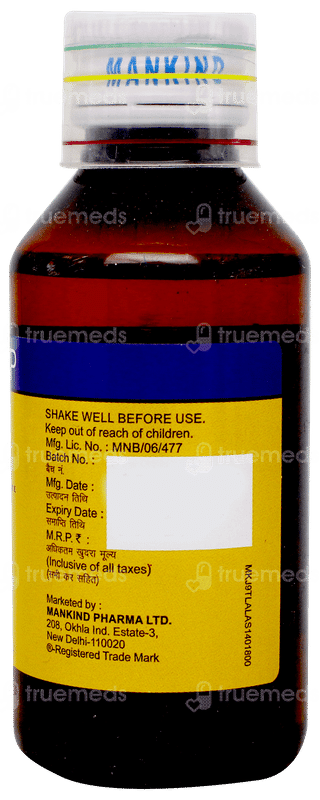
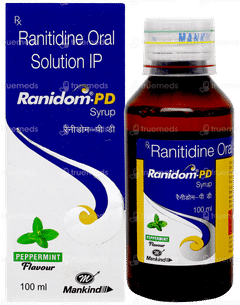
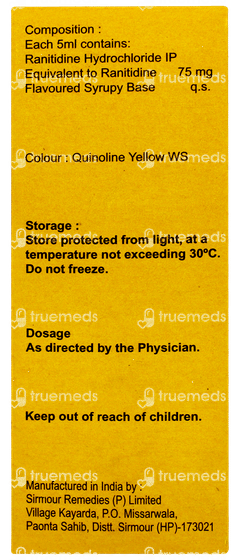
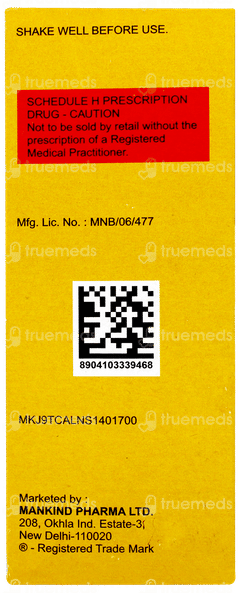
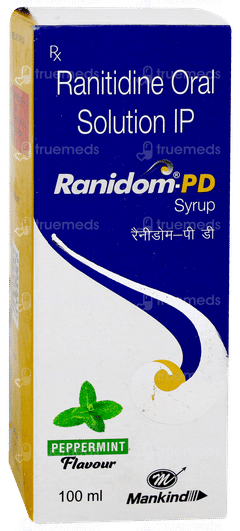
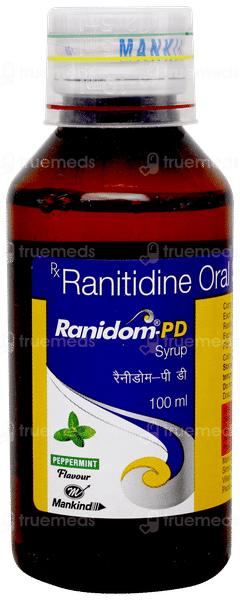
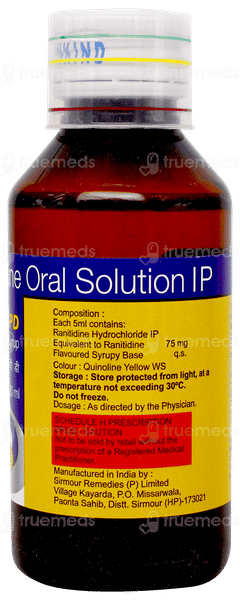

 Composition
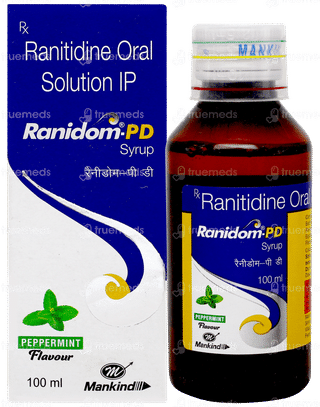
Ranidom-PD Syrup is an acid-suppressing medicine historically used for GERD and peptic ulcer disease. GERD occurs when stomach contents flow back into the oesophagus, causing heartburn and regurgitation. Ranitidine reduces acid secretion but does not directly improve gastric emptying. It is not a specific treatment for nausea or abdominal fullness. Other acid-suppressing medicines may be preferred depending on current regulatory guidance and clinical circumstances.
If Ranidom-PD Syrup is authorised and prescribed, take it according to your doctor's instructions. Use a suitable oral measuring device rather than a household spoon. Shake the bottle if directed on the product label. Follow the prescribed treatment duration and do not change the amount independently. Smaller meals and avoiding lying down after eating may reduce reflux symptoms. Seek medical advice if symptoms persist or worsen.
Possible side effects of Ranidom-PD Syrup include headache, nausea, abdominal discomfort, diarrhoea, constipation and dizziness. Some patients may experience fatigue or skin rash. Serious reactions are uncommon but may include liver problems, blood disorders or severe allergic reactions. Seek urgent medical attention for breathing difficulty, facial swelling or severe skin reactions. Unexplained weight loss, difficulty swallowing, vomiting blood or black stools requires prompt medical assessment.
Before using Ranidom-PD Syrup, tell your doctor about kidney disease, liver problems or previous allergic reactions to ranitidine. Mention other medicines and any history of acute porphyria. Kidney impairment may require treatment adjustment. Discuss pregnancy and breastfeeding with your doctor. Ranitidine-containing products have been withdrawn or restricted in some countries because of NDMA concerns. Do not use this product until its current regulatory status and suitability have been confirmed.